Why art belongs in your life?
(The Really Quick Version)
Fine artworks change the atmosphere in a given space. They are visual diaries on walls that reflect your identity, curiosity and emotional intelligence.
From my previous post (Investing in Art) you will know that what matters most when building your collection, is not whether the artist is already an established name, but whether the work carries a distinct point of view. Collectors who have mattered historically were rarely the ones who waited for universal approval nor bought art to get rich; they instead recognised presence before a consensus had formed around it. For deeper insights, I encourage you to learn about Edward James’ early patronage of the then upcoming Salvador Dali. James (himself a poet) secured for the world one of the finest surrealist collections.
By investing personally in an artist(s), Edward James’ collections helped to keep a movement and historical story alive. Art has never stopped a war, however it continues to free the human mind from conventional and restrictive thought of the time. And here we are today, in the present moment, continually being educated, fed and nourished from those many off-shoots! How dull would the world be without imagery and those who create them!
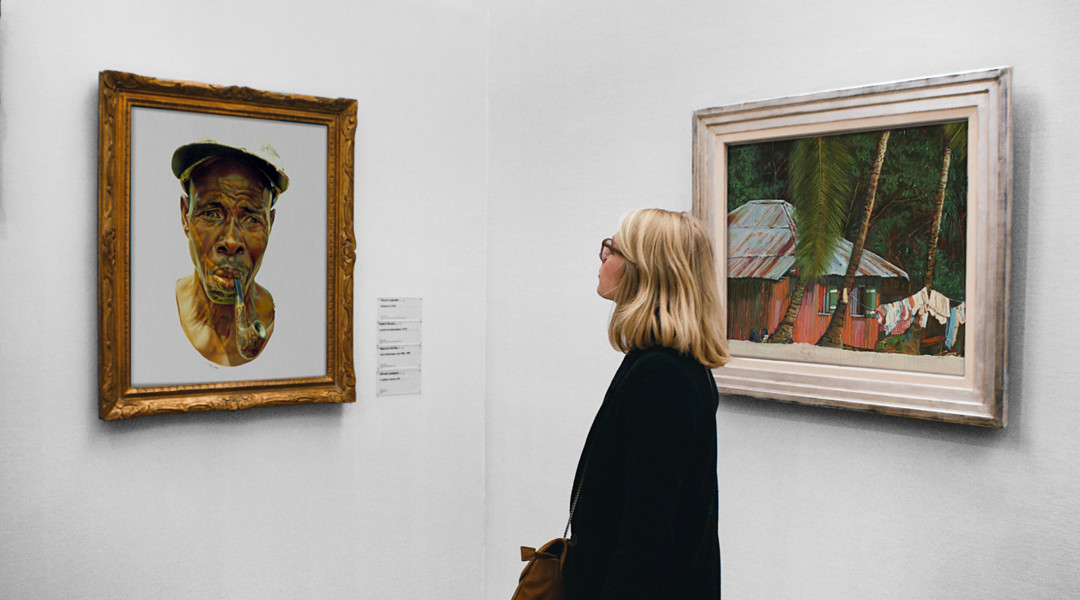
Timely Anchors
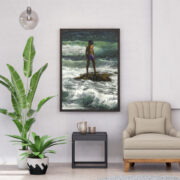
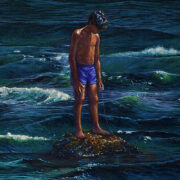
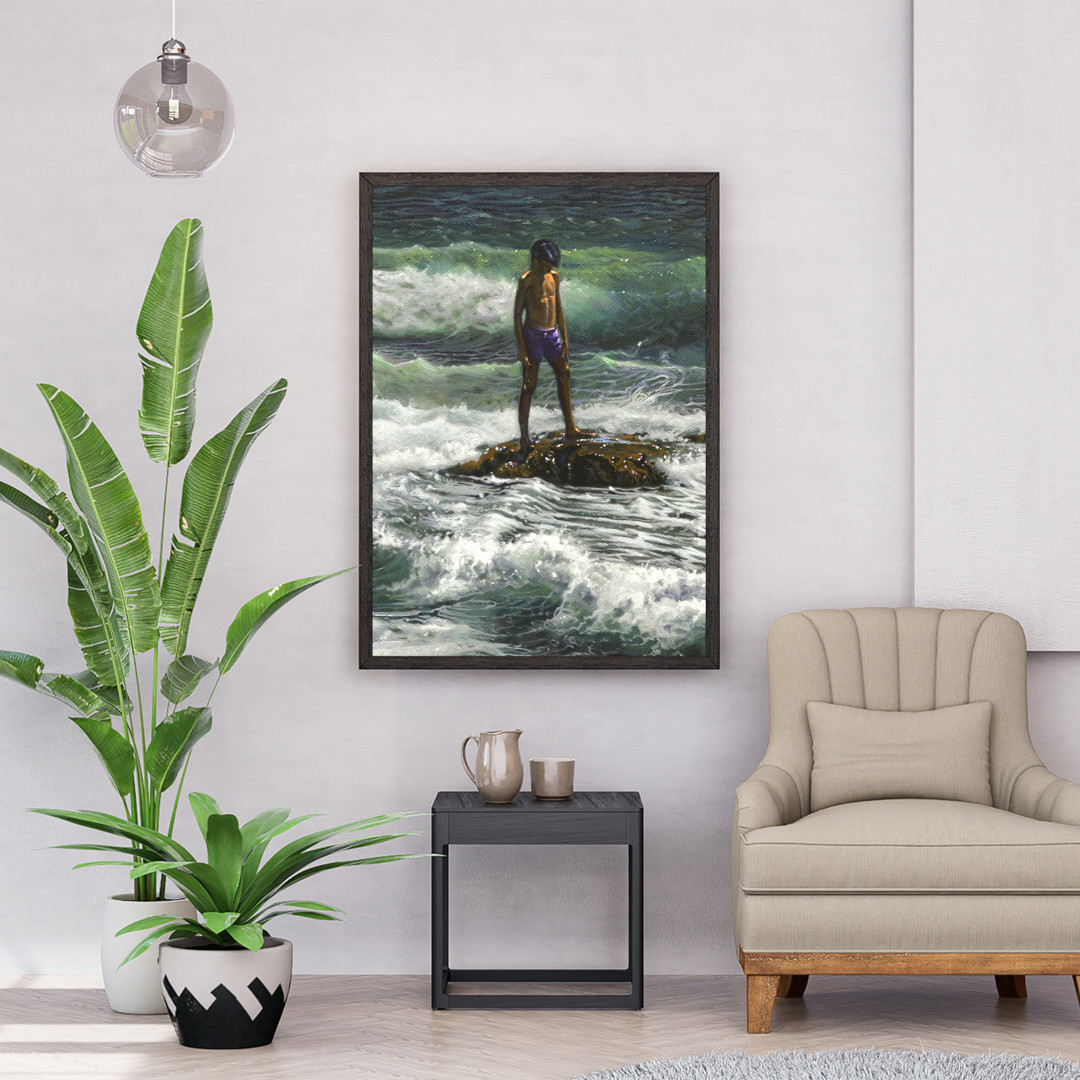
When an artist’s work is placed on a wall, it’s not just an image ‘to hang somewhere’, it’s choosing a porthole through which conversations will happen, moods will shift and people will inevitably remember ‘a moment’. Strong contemporary work becomes a psychological anchor: it reveals taste, courage, sensitivity and awareness of the cultural moment and time.
Curating your collection matters not only because living artists document the present in real time but it is a bookmark in life’s chapters on conversations yet to happen. It speaks more about you than the painter themselves. A room with art signals engagement with culture as it is unfolding, not just preserving what has already been validated.
How dull would the world be without imagery!
Art battles without the disaster
In the book, The Art of War, Sun Tzu states that “the supreme art of war is to subdue the enemy without fighting” and “knowing your enemy and yourself, you can fight battles without disaster.”
These ideas can be connected to how art is used as a silent form of protest against war. Rather than using violence, artists communicate powerful messages through paintings, photography, music and sculpture to challenge conflict and encourage peace. Through careful observation of society, human suffering and political tension, art can reveal painful truths that might otherwise remain ignored. In doing so, artists confront injustice not with weapons, but with understanding, reflection and emotional impact. Art therefore becomes a peaceful yet powerful force; capable of exposing war while inspiring change, without creating further destruction.
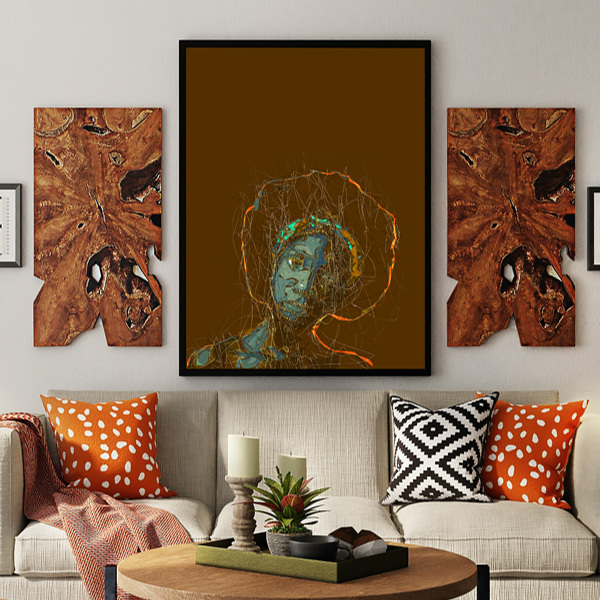
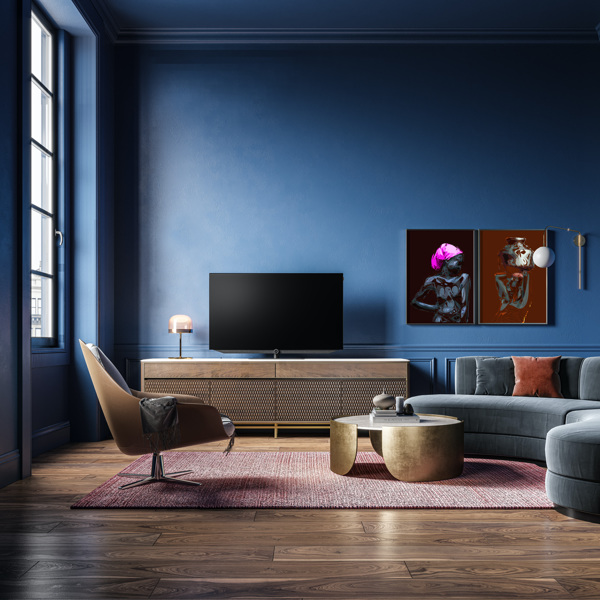
In accordance to the will of Mr Nobel, the Peace Prize is awarded to the person who “shall have done the most or the best work for fraternity between nations, for the abolition or reduction of standing armies and for the holding and promotion of peace congresses”. So far, I know not of any art collector that’s bagged this.
Why not start your humble collection here?
Who knows, future generations may call you a patron of the arts …or just someone with excellent taste!